
The Hidden Risks of Managing Complex Wounds Without Specialty Oversight
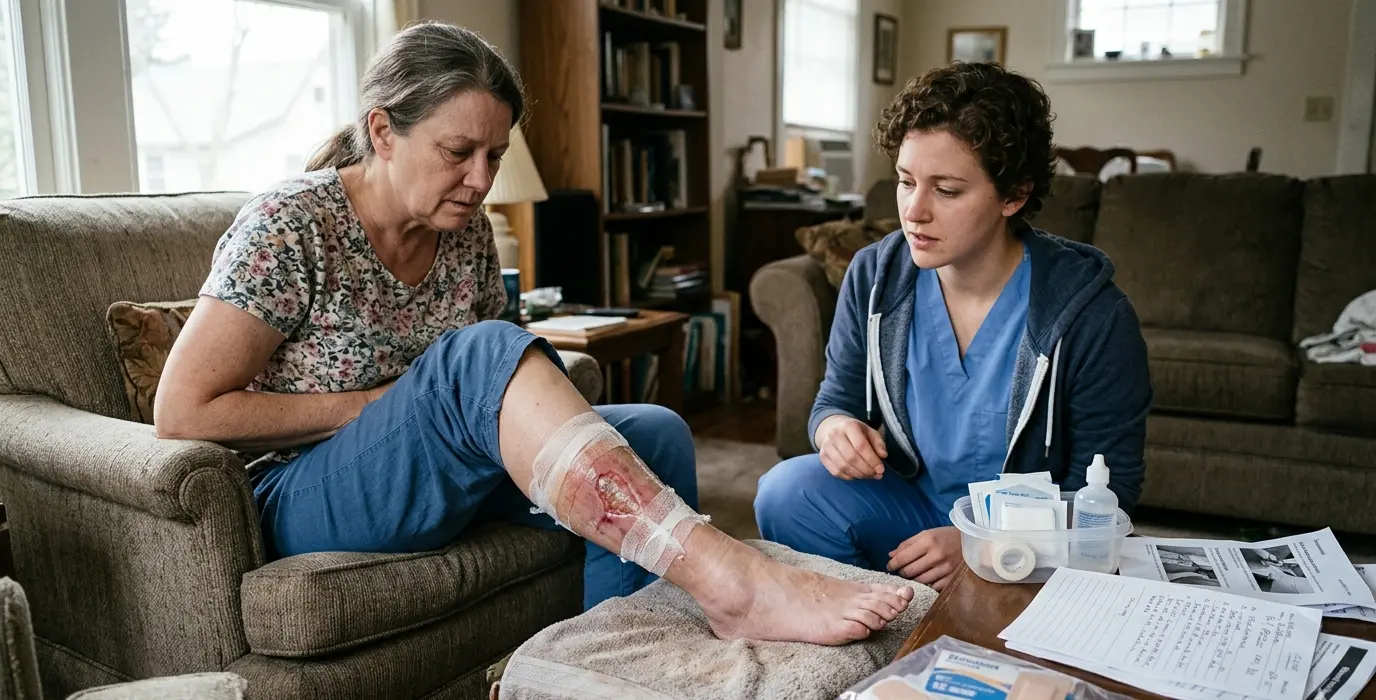
The Hidden Risks of Managing Complex Wounds Without Specialty Oversight
Managing wounds in the home or post-acute setting can appear straightforward at first glance. However, when wounds become complex, healing slows, or patients carry multiple risk factors, the absence of specialty oversight can quietly increase the likelihood of complications.
At Prodigy Wound & Specialty Care Consulting, we support patients, families, and healthcare professionals when standard approaches are no longer enough.
Why Complex Wounds Require More Than Standard Care
Complex wounds commonly involve compromised blood flow, chronic inflammation, multiple comorbidities, post-surgical complications, and repeated treatment failure despite adherence to care plans. Without specialty oversight, these factors may be addressed individually rather than holistically.
How Risks Accumulate Without Specialty Oversight
The danger isn’t always sudden deterioration. More often, it’s a gradual accumulation of missed signals that compound over time. Each week a stalling wound goes without trajectory reassessment, each dressing change made without questioning the current approach. These are moments where risk quietly builds.
Early Warning Signs Often Missed Without Specialty Oversight
- Wound bed color changes indicating shifting tissue viability
- Periwound skin changes (maceration, induration, discoloration)
- Wound edges that stop contracting or begin to roll under
- Biofilm presence masking as “stable” wound appearance
- Gradual increase in exudate without obvious infection
- Patient’s systemic health declining while wound is treated in isolation
- Treatment plan unchanged for 3+ weeks despite no measurable improvement
- Care fragmented across providers with no single clinician owning the wound trajectory
Prodigy’s Specialty Lens: Trajectory Analysis and Early Escalation Thresholds
Prodigy’s consultants assess where a wound is heading, not just what it looks like. We evaluate the pace and direction of healing, systemic contributors, whether the current treatment plan has reached its clinical ceiling, and at what point escalation should be considered. We establish clear escalation thresholds for each case.
The Clinical Risks When Specialty Oversight Is Absent
Delayed recognition of stalled healing, increased risk of complications, and escalation of care leading to rehospitalization are the primary dangers. Early specialty involvement can reduce unnecessary escalation by refining treatment strategies sooner.
How Specialty Wound Oversight Prevents Complications
Specialty oversight focuses on prevention through comprehensive assessment, early identification of non-responsive treatment plans, evidence-based interventions, and collaboration with existing providers.
Conclusion
Prodigy Wound & Specialty Care Consulting provides advanced clinical expertise that strengthens decision-making, supports existing care teams, and helps prevent avoidable complications, reducing rehospitalization risk and improving long-term healing stability.
Get Expert Advice Today.
Frequently Asked Questions
1. What makes a wound high risk or complex?
A wound is complex when healing is delayed, complications are likely, or multiple clinical factors affect recovery.
2. How does specialty wound oversight differ from home health services?
Specialty oversight focuses on advanced clinical judgment rather than routine care delivery. It complements home health.
3. When should specialty wound consulting be considered?
When wounds stall, complications are emerging, or care involves multiple providers without unified direction.
4. Does specialty oversight replace existing providers?
No. Specialty consultants work collaboratively with existing providers.
5. Can specialty oversight help prevent rehospitalization?
Yes. Early risk identification and targeted guidance reduce wound-related complications that lead to readmission.